Mid-Century Modern Seamless Patterns: A Timeless Design Resource for Creative Professionals
Mid-century modern design has made a powerful comeback in recent years, inspiring everything from furniture and architecture to digital art and branding. Its clean lines, balanced compositions, and retro color palettes continue to captivate designers across industries. One of the most versatile tools emerging from this revival is Mid-Century Modern Seamless Patterns. This digital pattern collection blends the iconic visual language of mid-century aesthetics with seamless repeat functionality, making it an essential resource for creators who want to infuse their work with vintage charm and contemporary usability.
What Are Mid-Century Modern Seamless Patterns?
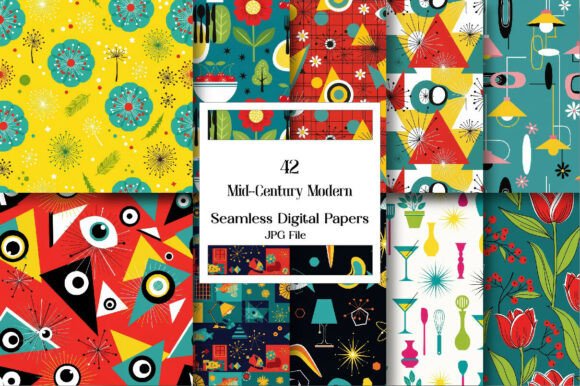
Mid-Century Modern Seamless Patterns are digital graphic patterns that mimic the style of the 1950s–1970s era. They feature geometric shapes, organic curves, and minimalist layouts that echo the design principles of that time. These patterns are created with precise alignment and repetition, ensuring they can be tiled seamlessly without visible breaks or distortions.
They come in a variety of formats suitable for both print and digital applications, including SVG, PNG, and EPS files. Whether you're designing fabric prints, wallpaper, product packaging, or digital backgrounds, these patterns offer a cohesive and stylish solution.
Why Designers Love Them
The appeal of Mid-Century Modern Seamless Patterns lies in their ability to bridge the past and present. The designs are rooted in the simplicity and elegance of mid-century modernism but adapted for today’s creative needs. Here's why they’ve become so popular:
- Versatile Use: Ideal for fabric, home décor, stationery, branding, and more.
- Timeless Aesthetic: Combines retro inspiration with modern minimalism.
- Professional Quality: Created with attention to detail and scalability for different media.
- Efficient Workflow: Seamless tiling saves time and ensures consistency in design output.
Common Mistakes When Choosing Mid-Century Modern Seamless Patterns
Despite their popularity, many users make avoidable mistakes when selecting or applying Mid-Century Modern Seamless Patterns. These errors can impact the final result, whether it’s a printed textile or a digital asset. Here are some common pitfalls and how to steer clear of them:
1. Overlooking Resolution Requirements
One of the most frequent issues occurs when designers don’t check the resolution of the pattern before using it in print projects. For example, if you download a pattern at 72 dpi (common for web use) and try printing it on fabric at 300 dpi, the image may appear pixelated or blurry.
Better Approach: Always confirm the file resolution matches your intended use. If printing, aim for at least 300 dpi. Most high-quality pattern collections like Mid-Century Modern Seamless Patterns provide multiple resolutions, so take advantage of those options.
2. Ignoring Color Mode Settings
Another oversight involves using RGB colors for print projects. While RGB works well for digital screens, it doesn't translate accurately to CMYK, the standard for printed materials. This can lead to unexpected shifts in hue and saturation, especially with the bold, muted tones characteristic of mid-century design.
Better Approach: Convert your design to CMYK mode before sending it to print. Some pattern libraries include CMYK-ready versions, so look for that option when purchasing or downloading Mid-Century Modern Seamless Patterns.
3. Not Testing the Pattern Layout
Seamless patterns can sometimes have subtle flaws or misalignments that aren’t obvious until they’re repeated over a large surface. Failing to test the pattern layout can result in visual inconsistencies, especially in fabric or wallpaper applications.
Better Approach: Before finalizing your project, tile the pattern in your design software to preview how it looks across a larger area. Make sure there are no visible seams or irregularities. Many pattern resources allow you to view a sample repeat, which is a helpful tool to ensure quality before purchase.
4. Using Too Many Patterns in One Design
While it might be tempting to layer several Mid-Century Modern Seamless Patterns together for a rich visual effect, doing so can overwhelm the composition and detract from the clean, harmonious feel that defines mid-century design.
Better Approach: Stick to one dominant pattern per design and use complementary textures or colors as accents. This maintains the clarity and balance that mid-century style is known for, while still allowing room for creativity.
How to Choose the Right Pattern for Your Project
Selecting the right pattern requires more than just picking something you like—it should align with your project's purpose, medium, and audience. Here are a few practical tips to help you choose effectively:
- Define Your Project Needs: Know whether you need the pattern for print or digital use. Check the file format and resolution accordingly.
- Consider the Scale: Large-scale patterns may not work well for small items like buttons or labels, while intricate details could get lost on broad surfaces like walls.
- Match the Mood: Mid-century patterns range from playful to sophisticated. Select a style that complements the tone of your brand or product.
- Test Colors Against Backgrounds: Some patterns may lose definition against certain base colors. Preview your pattern on actual background swatches before finalizing your design.
Real-World Applications and Examples
To better understand the value of Mid-Century Modern Seamless Patterns, let’s explore a few real-world scenarios where they shine:
Fabric and Apparel Design
A boutique clothing line might use a mid-century-inspired pattern featuring abstract triangles and circles to create unique dresses or scarves. By choosing a high-resolution pattern from a reputable source, the designer ensures the fabric print remains crisp and professional-looking after scaling up.
Home Décor and Interior Design
An interior decorator working on a client’s living room renovation could incorporate a wallcovering pattern with soft organic forms and warm earth tones. The seamless nature of the pattern allows it to wrap around curved surfaces or stretch across large walls without interruption, enhancing the space’s aesthetic cohesiveness.
Branding and Packaging
A startup selling artisanal coffee beans may opt for a minimalist label design using a subtle geometric pattern in muted tones. This choice helps establish a nostalgic yet modern brand identity that appeals to a wide demographic, from young professionals to retro enthusiasts.
Key Things to Check Before You Buy
Before investing in Mid-Century Modern Seamless Patterns, consider the following factors to ensure you're making a smart and satisfying choice:
- File Formats: Ensure the collection includes formats compatible with your workflow—like SVG for vector editing or PNG for raster graphics.
- License Type: Understand the usage rights. Commercial licenses vary depending on the platform and may require additional fees for specific uses.
- Pattern Variations: Look for collections that offer multiple color variations or layout styles. This gives you flexibility without needing to edit the original files.
- Software Compatibility: Confirm the patterns work smoothly with your design tools (e.g., Adobe Photoshop, Illustrator, or Procreate).
Design Tips to Maximize Impact
To get the most out of Mid-Century Modern Seamless Patterns, keep these best practices in mind:
- Use Negative Space Wisely: Mid-century design often balances form and emptiness. Let the pattern breathe by incorporating enough negative space into your layout.
- Pair With Complementary Elements: Combine the pattern with typography or photography that reflects the same era or aesthetic. This creates a unified and intentional design.
- Experiment with Layering: If you do want to layer patterns, start with a subtle base pattern and add bolder elements sparingly. This keeps the overall look refined and avoids clutter.
- Stay True to the Style: Avoid mixing too many unrelated trends. A cohesive design that honors the mid-century ethos will resonate more strongly with your audience.
Conclusion
Mid-Century Modern Seamless Patterns offer a unique opportunity to bring classic design sensibilities into modern creative workflows. Their blend of structured geometry and organic flow makes them adaptable for a wide range of uses—from physical products to digital interfaces. However, success depends on thoughtful selection and proper application.
By avoiding common mistakes like ignoring resolution, skipping layout tests, or overcomplicating designs, you can ensure your projects look polished and professional. Always evaluate your pattern choices based on the context and purpose of your work, and don’t hesitate to experiment with scale, color, and placement to find what works best.
With the right approach, Mid-Century Modern Seamless Patterns can elevate your designs, helping you stand out with a timeless yet fresh aesthetic that continues to inspire audiences worldwide.